Basmati rice is known for its long grains, soft texture, and natural aroma. It is used in home kitchens and professional cooking across many cultures. When cooked the right way, it stays fluffy, light, and separate, not sticky or mushy.
What Is Basmati Rice and How to Cook comes down to two simple ideas. Basmati rice is a fragrant long-grain rice grown mainly in India and Pakistan, and it needs rinsing, soaking, and the right water ratio to cook properly. Once you learn the basics, it becomes one of the easiest and most rewarding rice types to make at home.
What Is Basmati Rice?
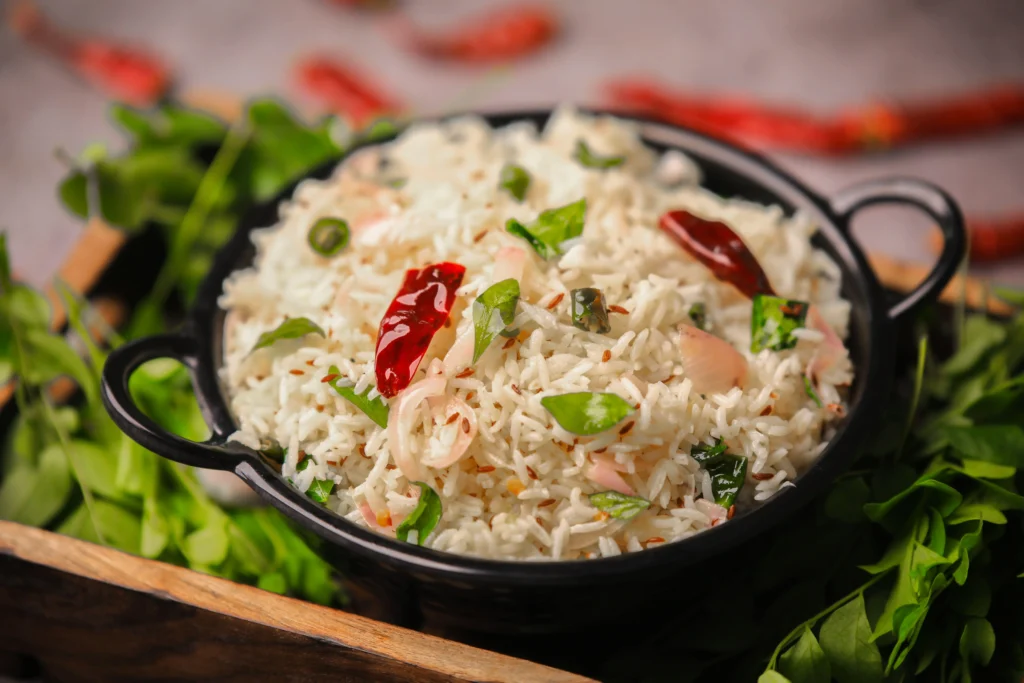
Basmati rice is a long-grain aromatic rice. The name “basmati” means fragrant. When cooked, the grains expand in length rather than width. This gives basmati its signature look and feel. It has been grown for centuries in the Himalayan regions. The climate and soil there help create its aroma and texture. Compared to regular rice, basmati feels lighter and tastes cleaner.
Basmati rice is used in dishes like biryani, pulao, and simple steamed rice served with curry. It works well because it absorbs flavor without becoming heavy.
Types of Basmati Rice
Not all basmati rice is the same. Each type affects flavor, texture, and cooking time.
White Basmati Rice
This is the most common type. It cooks quickly and stays light and fluffy. It works well for daily meals and curries.
Brown Basmati Rice
Brown basmati keeps its outer layer. It has more fiber and a nutty taste. It needs more water and time to cook.
Aged Basmati Rice
Aged basmati rice is stored for one to two years. This removes moisture and improves aroma. The grains cook longer and stay firm, making it ideal for biryani.
Organic Basmati Rice
Organic basmati is grown without synthetic chemicals. The taste is clean, and the quality depends on the source and aging.
Nutritional Value of Basmati Rice
Basmati rice is mostly carbohydrates, which provide energy. It is low in fat and contains small amounts of protein. White basmati has fewer nutrients than brown basmati, but it has a lower glycemic index than regular white rice. This means it causes a slower rise in blood sugar.
Brown basmati offers more fiber, magnesium, and B vitamins. Both types are naturally gluten-free. When eaten in balance, Crown Foodservice basmati rice fits perfectly into a healthy diet.
How Basmati Rice Is Different From Regular Rice
The biggest difference is how the grain cooks. Regular rice expands in width. Basmati expands in length. Basmati releases less starch, which keeps grains separate. Regular rice can turn sticky if cooked the same way. Aroma also sets it apart. Basmati has a natural scent before and after cooking. This quality is often stronger in aged rice.
In commercial kitchens, buying larger packs like 10kg rice basmati from Crown Foodservice helps maintain consistency across dishes while using true basmati instead of standard long-grain rice.
How to Choose High-Quality Basmati Rice
Good basmati rice looks long and thin, even before cooking. Broken grains lower quality. Check the label for origin. Rice from India or Pakistan is usually authentic. Look for mention of aging, which often signals better texture.
Smell the 5 kg basmati through the bag if possible. A mild, pleasant scent indicates higher quality. Avoid rice that looks chalky or dusty, as this can mean poor storage.
How to Cook Basmati Rice (Step-by-Step)
This method works for most kitchens and gives reliable results.
- Measure one cup of basmati rice
- Rinse under cold water until the water runs clear
- Soak for 20 to 30 minutes
- Drain fully
- Add rice to a pot with 1.5 cups of water
- Bring to a gentle boil
- Cover and simmer on low for 10 to 12 minutes
- Turn off the heat and rest for 5 minutes
- Fluff gently with a fork
This process answers What Is Basmati Rice and How to Cook in the simplest form.
How to Cook Basmati Rice on the Stove
Stovetop cooking gives the most control. Use a heavy pot with a tight lid. Keep the heat low once boiling starts. Do not lift the lid while cooking. After resting, fluff from the sides, not the center. This prevents breaking grains.
This method is popular for cooking basmati rice UK style, where simple stove methods are common.
How to Cook Basmati Rice in a Rice Cooker
Rice cookers work well if you adjust the water. Use one cup of rice to 1.25 cups of water. Rinse and soak first. Select the white rice setting. Let it rest for five minutes after cooking before fluffing. Rice cookers suit busy kitchens, but still need the right ratio.
How to Cook Basmati Rice in an Instant Pot
Instant Pots cook fast and evenly. Use one cup of soaked rice with one cup of water. Pressure cook on high for four minutes. Let pressure release naturally for ten minutes. Open the lid and fluff gently. This method avoids overcooking and saves time.
Common Mistakes When Cooking Basmati Rice
Skipping rinsing leaves excess starch. That causes sticky rice. Using too much water makes grains split and turn soft.
Stirring during cooking breaks grains. Cooking on high heat burns the bottom before the top cooks. Avoid these errors for better results.
Tips for Perfect, Fluffy Basmati Rice
- Always rinse the rice until the water runs clear.
- Soak the rice before cooking to help the grains lengthen.
- Measure the water carefully for accurate cooking.
- Let the rice rest after cooking before fluffing.
- Use a fork to fluff the rice, not a spoon.
- Following these steps ensures a perfect texture every time.
Best Dishes to Make With Basmati Rice:
- Basmati rice pairs well with bold flavors.
- Biryani highlights aged basmati rice with spices.
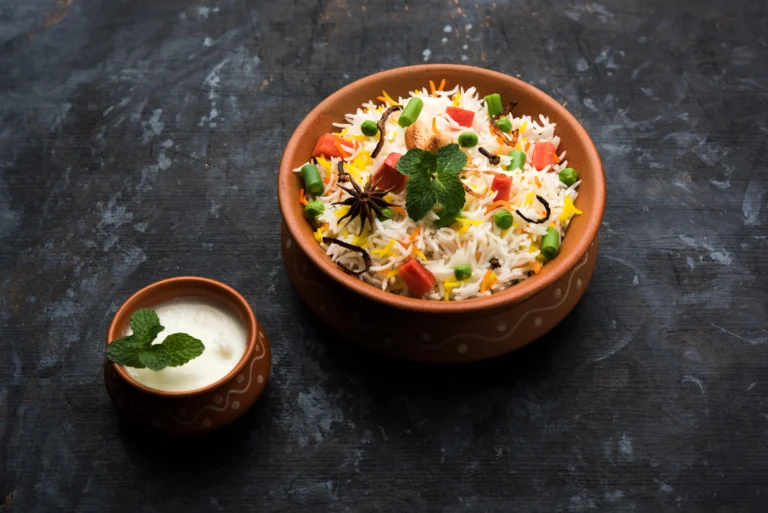
- Pulao uses light seasoning and vegetables.
- Plain steamed basmati works with curry, lentils, or grilled meats.
- It also fits perfectly in rice bowls and meal prep dishes.
How to Store Cooked and Uncooked Basmati Rice
Store uncooked rice in a cool, dry place. Use an airtight container to keep insects out. Cooked basmati rice should cool quickly. Store it in the fridge for up to four days. Freeze cooked rice in portions for up to two months. Reheat with a splash of water.
Conclusion
Basmati rice stands out for its aroma, texture, and cooking results. With proper rinsing, soaking, and water control, it cooks clean and fluffy.
Understanding What Is Basmati Rice and How to Cook helps you avoid common mistakes and enjoy better meals. Whether you cook on the stove, in a rice cooker, or in an Instant Pot, the basics stay the same. Choose good rice, treat it gently, and let the grains shine. For more tips and high-quality rice, contact us.
FAQs
Is basmati rice healthier than regular rice?
Basmati has a lower glycemic index, causing a slower rise in blood sugar. Its light, fluffy grains are easier to digest, and brown basmati adds fiber and nutrients.
Do I need to soak basmati rice?
Soaking isn’t required but improves texture and lengthens grains. Soak 20–30 minutes for fluffy, separate rice and slightly faster cooking.
What is aged basmati rice used for?
Aged basmati is stored 1–2 years, strengthening grains and enhancing aroma. It’s ideal for biryani and special dishes where firm, fragrant rice is needed.
Can basmati rice be reheated?
Yes, if cooled and stored properly. Reheat gently with a little water to keep grains separate.
Why does basmati rice smell fragrant?
Natural aromatic compounds give basmati its nutty, floral scent. The aroma intensifies when cooked, making it distinct and flavorful.
How can I manage bulk orders and payments for my kitchen or catering business?
If you regularly purchase large quantities of Basmati rice or other ingredients, using a reliable invoice solution can simplify order tracking, billing, and payments—saving time and reducing errors.