
If you’ve ever asked what is vegetable oil made of, you’re not alone. Vegetable oil is one of the most widely used cooking ingredients worldwide, yet many people don’t fully understand its composition, sources, or how it’s produced.
Knowing what is vegetable oil made of helps you make smarter decisions about cooking methods, nutrition, and ingredient quality. Trusted suppliers like Crown Foodservice rely on carefully sourced oils to ensure safety, consistency, and reliable performance in both home and professional kitchens.
What Exactly Is Vegetable Oil?

Vegetable oil is a plant-based oil extracted from seeds, fruits, or nuts. Unlike animal fats, it remains liquid at room temperature and has a mild flavor, making it suitable for frying, baking, sautéing, and salad dressings.
When people ask what’s in vegetable oil, the answer is simple: it consists mainly of naturally occurring fats extracted from plants, primarily unsaturated fatty acids. The exact composition depends on the plant source and the processing method used.
Source of Vegetable Oil
The source of vegetable oil plays a major role in its taste, smoke point, and nutritional profile. Different plants produce oils with unique characteristics.
Common plant sources include:
- Soybeans
- Sunflower seeds
- Canola (rapeseed)
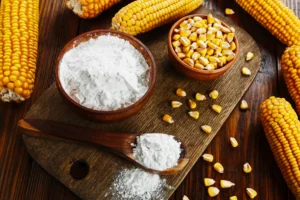
- Corn germ
- Palm fruit
Each source contributes to differences in color, texture, and stability, allowing consumers to choose oils best suited for their cooking needs, including reliable options like ktc vegetable oil, which is valued for its consistent quality, neutral flavor, and dependable performance across a wide range of cooking applications.
Ingredients in Vegetable Oil Explained
Many people are curious about the ingredients in vegetable oil beyond the label. In most cases, vegetable oil contains only one primary ingredient: oil extracted from a specific plant source.
However, during refining, small amounts of processing aids may be used to improve shelf life and flavor neutrality. Once refining is complete, these substances are removed, leaving behind purified oil.
In simple terms, vegetable oil ingredients typically include:
- Plant-derived fats (triglycerides)
- Naturally occurring fatty acids
- Trace amounts of vitamin E (in some oils)
How Is Vegetable Oil Made?
Understanding what is vegetable oil made of also means understanding how it’s produced. The manufacturing process generally involves three key stages.
1. Oil Extraction
Oil is removed from seeds or fruits using:
- Mechanical pressing – a physical process that retains more natural nutrients
- Solvent extraction – commonly used for large-scale production to maximize yield
2. Refining Process
Refining improves taste, appearance, and stability by removing impurities. This includes:
- Degumming
- Neutralization
- Bleaching
- Deodorization
This step explains why refined oils have a neutral flavor and a higher smoke point.
3. Packaging and Storage
After refining, the oil is filtered and packaged in controlled environments to maintain freshness. Reliable brands like Crown Foodservice prioritize proper storage to preserve quality and consistency.
Types of Vegetable Oils and Their Composition
Vegetable oils differ in their fatty acid profiles, smoke points, and nutritional benefits. Understanding these differences helps you choose the right oil for specific cooking methods and health goals.
Soybean Oil
Soybean oil is one of the most widely used vegetable oils worldwide. It has a mild, neutral flavor that doesn’t overpower food, making it ideal for frying, baking, and processed foods. Nutritionally, soybean oil contains a balance of polyunsaturated and monounsaturated fats, along with small amounts of omega-3 fatty acids. Its moderate to high smoke point allows it to perform well in both home and commercial kitchens.
Canola Oil
Canola oil is valued for its heart-healthy fat composition. It is low in saturated fat and high in monounsaturated fats, which are associated with improved cardiovascular health. Canola oil also contains omega-3 and omega-6 fatty acids in a favorable ratio. Because of its light texture and neutral taste, it works well for sautéing, baking, frying, and salad dressings.
Sunflower Oil
Sunflower oil is known for its high vitamin E content, a powerful antioxidant that supports cell health. It has a clean, light flavor and a high smoke point, making it suitable for high-heat cooking methods such as deep-frying and stir-frying. Depending on the variety, sunflower oil can be high in polyunsaturated or monounsaturated fats, offering flexibility for different dietary preferences.
Corn Oil
Corn oil is extracted from the germ of corn kernels and is naturally high in polyunsaturated fats. It has a slightly sweet, mild flavor and a high smoke point, which makes it a popular choice for frying and baking. Corn oil is commonly used in commercial food preparation because it maintains stability at high temperatures and delivers consistent cooking results.
Palm Oil
Palm oil is derived from the fruit of oil palm trees and is known for its semi-solid texture at room temperature. It offers excellent heat stability and a long shelf life, which makes it widely used in frying and packaged foods. Palm oil contains a mix of saturated and unsaturated fats, contributing to its stability. However, its production is often discussed due to environmental and sustainability concerns, making responsible sourcing an important consideration.
You may also read this: palm oil uses
Nutritional Profile: What’s in Vegetable Oil?
If you’re wondering again what’s in vegetable oil, nutritionally speaking, it is primarily fat-based. Most vegetable oils contain:
- Monounsaturated fats
- Polyunsaturated fats
- Small amounts of saturated fat
Some oils also provide antioxidants and vitamin E, especially when minimally processed. Understanding ingredients in vegetable oil helps explain why some oils are better suited for daily cooking than others.
Why Quality Matters
Oil quality affects taste, shelf life, and health benefits. Poorly refined oils can develop off-flavors or oxidize faster. That’s why professional kitchens rely on suppliers like Crown Foodservice, which focus on sourcing and handling oils with strict quality standards.
Tips for Choosing the Best Vegetable Oil
- Check labels for clear vegetable oil ingredients
- Look for responsibly sourced plant oils
- Choose oils with higher smoke points for frying
- Store oil away from heat and sunlight
These steps help ensure you’re using oil that performs well and supports long-term health.
Environmental and Health Considerations
Sustainability matters when evaluating the source of vegetable oil. Responsibly sourced soybean, sunflower, and canola oils generally have a lower environmental impact. From a health perspective, oils higher in unsaturated fats are considered better for regular use.
You may also read this: genetically modified cooking oil
Final Thoughts
Understanding what is vegetable oil made of gives you more control over your cooking and ingredient choices. From knowing the plant source to understanding processing methods, informed decisions lead to better flavor, performance, and nutrition.
For consistent quality and dependable sourcing, professional kitchens trust Crown Foodservice. If you’re looking to upgrade your cooking ingredients or need expert guidance, contact us today for tailored recommendations.
FAQs
What is vegetable oil made of?
Vegetable oil is made from plant sources such as seeds, fruits, or nuts. These oils are extracted, refined, and packaged for cooking use.
What are the main ingredients in vegetable oil?
The main ingredients in vegetable oil are plant-derived fats, primarily unsaturated fatty acids, with trace nutrients depending on the oil type.
What’s in vegetable oil compared to animal fats?
Vegetable oil contains no animal products and is mostly unsaturated fat, whereas animal fats are higher in saturated fat.
How can I identify the source of vegetable oil?
Check the product label, which usually specifies the source of vegetable oil, such as soybean, sunflower, or canola.
Are vegetable oil ingredients safe for everyday cooking?
Yes, when sourced and refined properly, vegetable oil ingredients are safe and suitable for daily cooking across a wide range of recipes.